Within the genre of ‘Thriller’, there are many conventions, which in most films are used as much as possible to make a Thriller effective.
A crime at the core of the narrative (often murder, but not necessarily)
There is usually a crime in the narrative or storyline of a thriller. It keeps the viewer hooked and gives them something to focus on. Examples of this are The Usual Suspects, Reservoir Dogs and Scarface.
A complex narrative structure, with false paths, clues and resolutions
Thrillers are usually made up of these. Mainly to keep the audience guessing, and make them confused or lost until later on in the film, where everything becomes clear. Examples of these are Memento, The Machinist and Looper.
A narrative pattern of establishing enigmas which the viewer expects to be resolved
This will keep the viewer hooked as they will always want to see the resolutions, and find out how the issue has been resolved.
A protagonist who is systematically dis-empowered and drawn into a complex web of intrigue by the antagonist
Most thrillers have protagonist/s against an antagonist and at some point in the thriller there will be a situation which will include both characters coming together, usually in a fight or action scene. The antagonist will usually always have the dis-advantage, but will come out the victor.
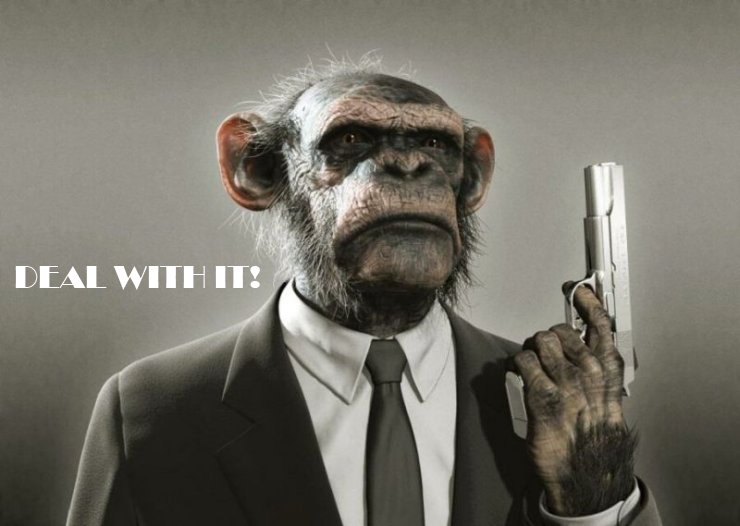
Extraordinary events happening in ordinary situations
This will enable the audience to relate to the situation, and therefore the effect will be stronger.
Themes of identity
This is used so the audience can keep tabs on each character, who they are, and why they’re there. It also helps us identify the protagonist and antagonist.
Themes of mirroring
Shows that there may be one or two people in the same position.
Themes of voyeurism
When someone is being e.g. spied upon and doesn’t know. Usually shown through point of view shot of the person doing the spying.
Protagonist with ‘flaw’ which is exploited by the antagonist
The antagonist takes advantage of the protagonists flaws. The flaws are usually obvious to the audience but not to the antagonist untill they are revealed to him. When the flaws are visible to the antagonist, it put him/her in the dominant position.

Titles often reflect an aspect of the pro/antagonist’s psychological state
The titles usually mirror the type of film, and give the audience a chance to see what might be coming up in the film.
There is often a scene near the end of the film in which the protagonist is in peril
This is used so that there is action building up to a certain point to keep the audience hooked, and the peril is usually solved by the end of the film which leaves the audience in good spirit.
Mise en scene which echoes/mirrors the protagonist’s plight
The mise-en-scene is very important, and needs to be relevent e.g. if the character is happy, put them in a happy place, with bright lights, or if the character is sad, put them in a sad place with dark lighting.
Some information from http://www.filmbug.com/dictionary/thrillers.php
http://www.slideshare.net/lewisharland/conventions-of-the-thriller-genre-11373344

No comments:
Post a Comment